Two ways to identify a source
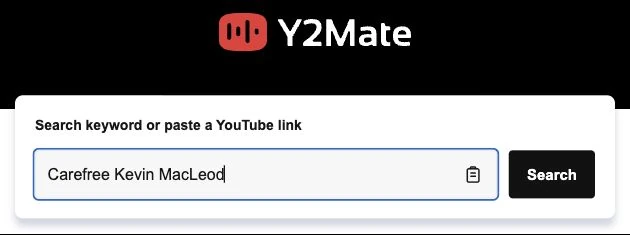
Keyword search supports exploration. A recognized YouTube link identifies a particular upload and changes the action from Search to Convert.

YouTube Downloader brings the two starting points together: search when you are exploring, or paste a link when you already have a video in mind. Use the form above, confirm the matching result, and open its available audio and video options. The choice between MP3 and MP4 comes after you have found the recording that fits your purpose.
The local chart is temporarily unavailable. Search for a title or artist above.


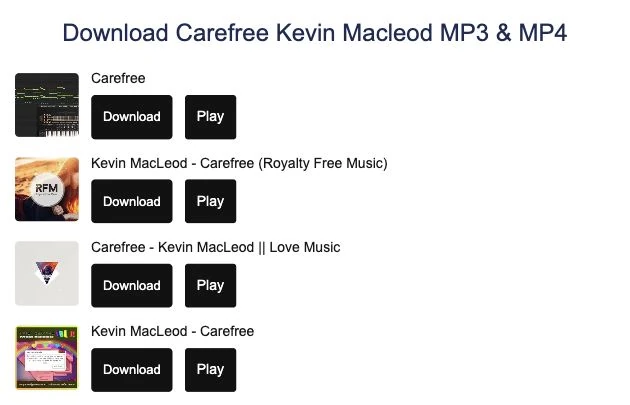
Enter a useful keyword combination or a complete video URL. Compare the matching result with the title, creator, and content you intended to find.
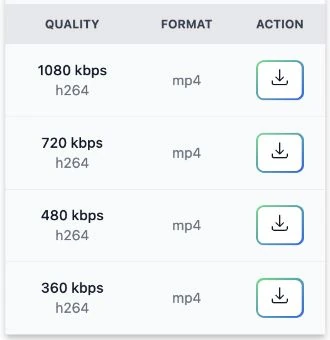
Select audio when listening is enough, or an available video format when the picture adds essential context. Inspect the choices actually offered for that source.
Use the download control, follow its browser progress, and open the saved file. Confirm both the recording and the format before treating the task as complete.
Keyword search supports exploration. A recognized YouTube link identifies a particular upload and changes the action from Search to Convert.
Trending can provide an initial idea, while related recordings on a conversion page give you another source to explore. You remain in control of each selection.
Use the site's compact layout and shared language and appearance controls. Searching and opening conversion choices does not require an extension installation step.
An available MP3 download can suit a spoken recording or music you are allowed to save. Check that it is the intended version before converting, especially when a search includes several performances. The saved sound is limited by the source recording, so a larger output setting cannot repair missing audio detail.
Choose an offered MP4 option when you want the complete visual explanation or performance. Inspect the choices on the selected video's conversion page instead of assuming every recording has the same resolution or size. Consider both storage and the screen on which you will watch the file before starting the download.
An artist, title, or subject can help you discover a video. Refine broad results with a meaningful detail such as the session name. When you have the right upload's URL, paste it to use the direct-link workflow. Related songs can provide another result to inspect, but they do not replace checking your selection.
Find the source, choose an available format, and then follow the download through to completion. If the provider has no option for a video, check its availability and try later rather than repeatedly submitting it. Locate completed files in your browser's Downloads list. Save content only when you own it or have permission.
Use a keyword to discover recordings. Use a complete video link when you already know the exact upload you want.
The form distinguishes ordinary search text from a recognized YouTube URL. Its label changes to reflect Search or Convert.
Audio keeps the soundtrack. Video retains the picture when supported by the offered format. Choose according to the information you need.
No. They are discovery results. Open one, inspect its source and options, and deliberately choose a download if appropriate.
No. It changes the page interface. Spoken language, subtitles, and available dubbed tracks belong to the source video.
Confirm the filename, duration, and playback in the intended app. For video, check both picture and sound beyond the opening seconds.
Do not expect or attempt that. Access restrictions and creator visibility still apply to the recording.
The page helps locate a source and choose available downloads. Trimming, rotation, audio editing, and playback repair are separate tasks.


