A source-first format decision
Available video choices are attached to the selected recording. There is no need to assume every upload supplies the same resolutions or output properties.

YouTube to MP4 keeps the picture at the centre of your download. Find a video with a keyword or paste its YouTube link into the form above, then open the matching result. Compare the MP4 options available for that recording and choose one that suits your screen, storage, and viewing needs. Check the content before you begin the transfer.
The local chart is temporarily unavailable. Search for a title or artist above.


Paste its full YouTube address or use a focused keyword search. Confirm the result so that a highlight, reupload, or similar title does not replace the video you wanted.
Open the available formats and compare what is offered for that source. Consider the screen, storage, and whether the option includes the audio you need.
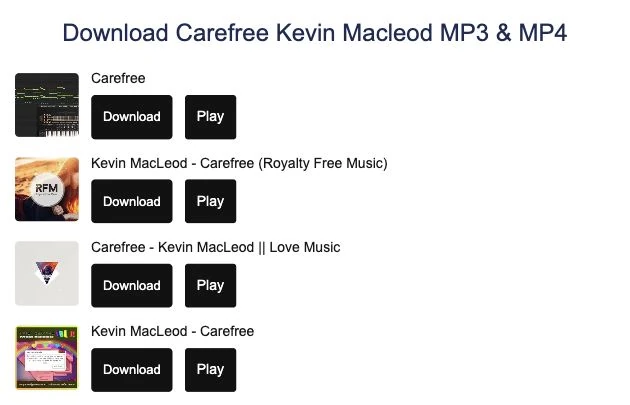
Complete the download, then play the saved file in your intended player. Check orientation, visible details, sound, and a passage near the end.
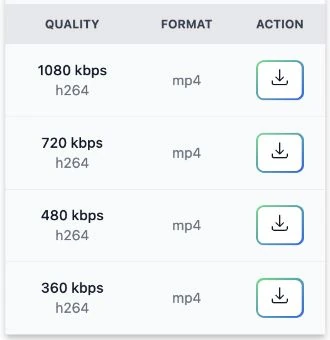
Available video choices are attached to the selected recording. There is no need to assume every upload supplies the same resolutions or output properties.
Use the keyword route while finding a source and the direct-link route once its identity is known. The form's action label follows the input.
The completed local file is the final reference. Checking it helps separate a source limitation from a browser preview or a particular player's behavior.
A video may also offer an MP3 option. That can be useful for listening to a conversation, but it removes visual information from your saved copy. If the content relies on a diagram, a demonstration, or text on screen, do not choose audio merely because the file looks convenient. Keep the intended use in mind.
An MP4 download is the relevant choice when you want to keep visual context. Compare the available options and consider where you will watch the file. Small text or fast movement may call for a different choice than a simple talking-head recording. The source and provider determine the options displayed, not a universal quality menu.
MP4 is a container, and the streams inside still need support from your player. Once the transfer is complete, open the actual saved file and check both sound and picture. If it will not play, inspect the file and player rather than simply renaming its extension. A filename change does not convert the media.
A longer video or a larger offered quality can require more storage. Confirm that your device has room and follow the transfer in the browser before starting another copy. Keep a clear filename that identifies the correct recording. Download only your own videos or material you have permission to save.
It is a video-container option for keeping the picture with the recording. Inspect the actual available output and verify sound as well as image.
No. Consider source detail, device playback, screen size, and storage. A larger result does not restore information missing from the original.
The video and screen may have different proportions. Fit mode can preserve the whole picture by leaving space around it.
Do not assume editing controls are included. This page concerns available downloads; later rotation or cropping requires a suitable separate workflow.
No universal compatibility guarantee applies. Codec combinations and player support matter in addition to the file extension.
A source timestamp can control playback without defining an edited file. Check the offered duration and inspect the saved result.
Check the chosen option, the completed file, and player support. A familiar container extension alone does not establish its audio contents.
Open the actual local file in the player and device you intend to use. Check a later section, not just a thumbnail or first frame.


