A direct link avoids ambiguity
When the intended upload is already open elsewhere, its URL identifies it more precisely than another broad title search. Use keywords when discovery is still part of the task.

YouTube to MP3 is the audio-focused route from a video to a listening copy. Paste a YouTube URL into the form above, or search for the recording when you do not have its link. Confirm the result and choose an available MP3 option on the conversion page. It is a practical choice when you need the soundtrack rather than the picture.
The local chart is temporarily unavailable. Search for a title or artist above.


Copy the video's complete YouTube URL or search using a title and creator. Check that the result identifies the recording you actually want to hear.
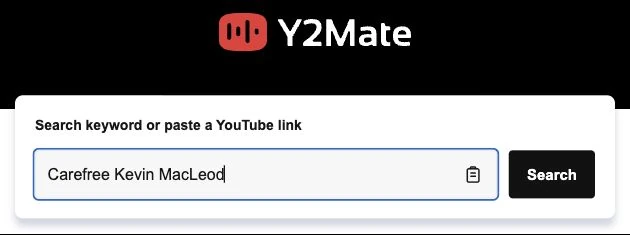
Open its conversion page and inspect the formats provided for that video. Choose an available MP3 option without assuming every source offers identical settings.
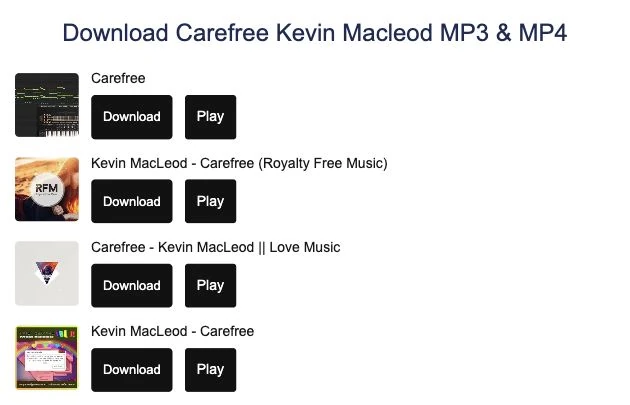
Follow the selected download control and wait for completion. Play the file, check its duration, and listen to a later passage as well as its introduction.
When the intended upload is already open elsewhere, its URL identifies it more precisely than another broad title search. Use keywords when discovery is still part of the task.
The conversion result belongs to the video you selected. Keep its identity in view while choosing a file so a familiar title does not disguise a different performance.
The browser manages the transfer. Its download list provides the practical next step for checking progress, opening the file, and finding where it was saved.
A spoken lesson, a recording you created, or music you are permitted to save may be useful without video. MP3 keeps audio rather than on-screen information. Check whether visual references are important before removing them from your listening workflow. Source clarity still matters: conversion cannot add detail that the original recording never contained.
If the speaker points to a chart or demonstrates a physical action, the soundtrack may not tell the full story. An available MP4 option can preserve those visual details. Choose the format around the content you need, rather than downloading audio and discovering later that an essential instruction was shown only on screen.
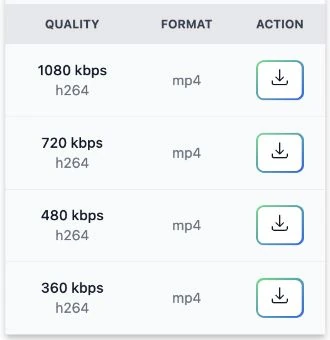
Different recordings and provider responses may show different choices. Compare the format and any quality or size information actually displayed, without assuming a particular bitrate is always available. A bigger file is not proof of a better original recording. Confirm that the selected option is audio before starting the transfer.
Let the download finish, locate it through your browser, and play the saved file. If the recording is wrong, return to the source selection rather than repeatedly converting it with another setting. Keep a recognizable name and the correct file extension. Only download material you own or have permission to save.
Paste a complete YouTube video link, select Convert, and inspect the available audio options for the matching result.
Yes. Enter a title, artist, or keyword. The form shows Search until you enter a recognized YouTube URL.
No. MP3 is an audio format. Choose a suitable offered video option when the picture carries information you need.
Not automatically. Caption text and spoken audio are separate. An audio conversion is not a text-to-speech operation.
Do not assume so. Inspect the choices actually supplied for the selected video and provider rather than relying on a universal setting.
A timestamp can tell a player where to start without defining an edited excerpt. The available download may still cover the full video.
Check the browser's download status, then open the saved file and verify its duration and playback. A result preview is not the completed file.
Source availability, provider support, and permission all matter. Use material you may save and do not attempt to bypass restrictions.


